About
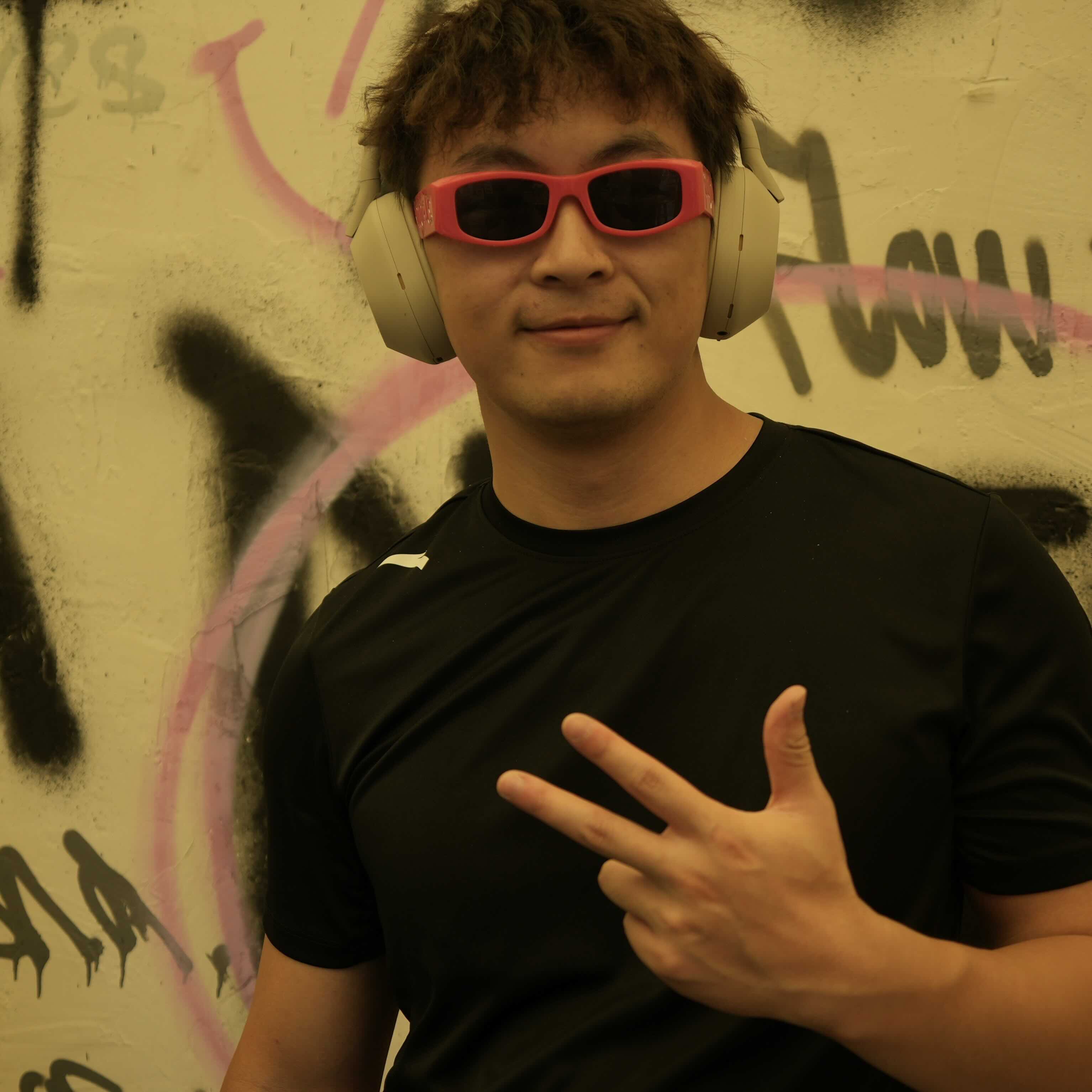
Hi! Here is Jian Tang (Chinese: 唐健), I am a Ph.D. student in School of Computing Technologies at RMIT University, supervised by Dr. Xiaoyu (Shaw) Xia and Dr. Jer Shyuan Ng.
Prior to this, I received my M.S. degree from the School of Big Data & Software at Chongqing University in June 2025, under the supervision of Prof. Xiuhua Li, and B. S. degree from Hunan University of Technology and Business in June 2022.
My research focuses broadly on federated learning, edge intelligence, and network & system security, with particular emphasis on privacy protection mechanisms, security coordination, and efficiency optimization. Any form of collaboration is welcome; if you are interested in my research, please feel free to contact me via email.
News
Our paper about client sampling for federated learning has been accepted by IEEE TMC.
I received the master degree from Chongqing University. Happy!!!
Our paper about client selection and bandwidth allocation for federated learning has been accepted by IEEE TMC.
Our paper about client sampling for federated learning is accepted by IEEE ICC 2024.
Selected Publications
View All →Group-based Federated Learning with Cost-efficient Sampling Mechanism in Mobile Edge Computing Networks
Jian Tang, Xiuhua Li, Guozeng Xu, Penghua Li, Xiaofei Wang, Victor C. M. Leung
IEEE Trans. Mob. Comput.
Joint Class-Balanced Client Selection and Bandwidth Allocation for Cost-Efficient Federated Learning in Mobile Edge Computing Networks
Jian Tang, Xiuhua Li, Hui Li, Penghua Li, Xiaofei Wang, Victor C. M. Leung
IEEE Trans. Mobile Comput.